
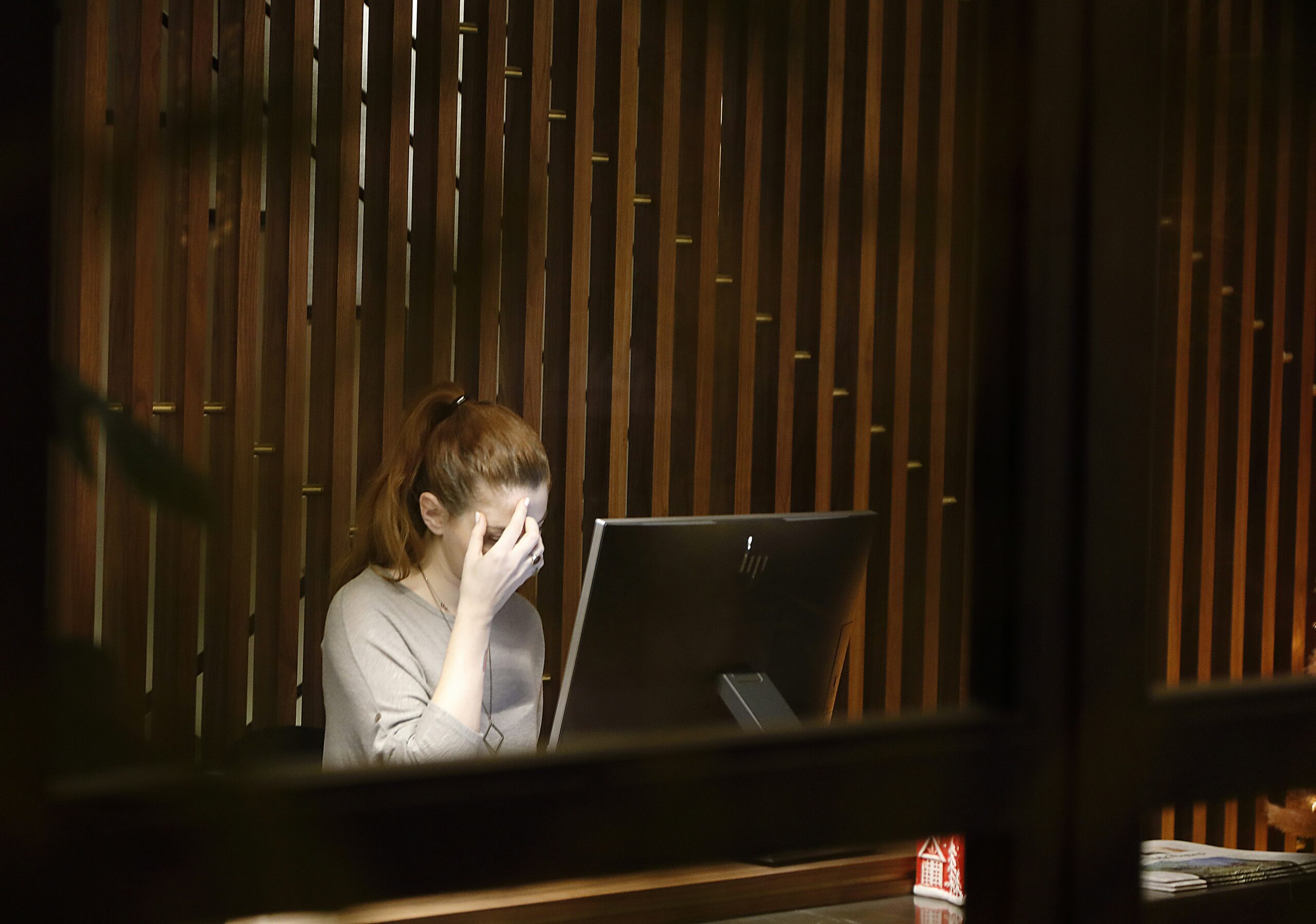
When the Seasons Change: Why Transitions Can Trigger Anxiety
As the days grow shorter, routines shift, and the calendar fills with new obligations, many people find themselves feeling unsettled. While seasonal changes can bring beauty and excitement, they can also stir up unexpected anxiety.
This is not limited to the winter blues or Seasonal Affective Disorder. For many, the simple act of transitioning from one season to the next can disrupt the sense of balance. Shifts in daylight, temperature, schedules, and even social expectations can have a profound impact on our emotional well-being.
Why Transitions Feel Hard
Our brains are wired to seek predictability. Familiar routines give us a sense of safety and control. When external circumstances shift, such as children heading back to school, holidays looming on the horizon, or daylight hours decreasing, our sense of stability can be shaken. We suddenly have to adjust sleep schedules, adapt to new routines, and juggle added responsibilities. Even the way our bodies respond to temperature changes or decreased sunlight can influence mood and energy.
For those already prone to anxiety, this disruption can feel like one more stressor piled onto an already full plate. Common reactions include:
- Difficulty falling asleep or staying asleep
- Heightened irritability or mood swings
- Feeling overwhelmed by tasks that normally feel manageable
- Racing thoughts about how to “keep up”
- Increased physical tension, like headaches or tightness in the chest
It is worth noting that not all stressors are negative. The start of a new season often brings exciting opportunities: outdoor activities in the fall, holiday traditions in the winter, or renewed routines in the spring. Yet even positive changes come with expectations that can feel heavy. For example, wanting to make every holiday meaningful or feeling pressure to enjoy seasonal activities can create additional anxiety.
The Impact of Light and Energy
One factor that often goes overlooked is the way daylight influences our internal rhythms. Exposure to natural light helps regulate our sleep-wake cycle, known as the circadian rhythm. As days grow shorter, less sunlight can lead to lower energy, changes in appetite, or fluctuations in mood. While this does not mean everyone develops Seasonal Affective Disorder, many people notice subtle shifts in motivation and resilience.
Pair these physical changes with social and emotional stressors, and it becomes clear why seasonal transitions can feel overwhelming.
Practical Ways to Ease Seasonal Anxiety
The good news is that there are concrete steps you can take to soften the impact of these seasonal shifts. Think of them as small anchors that provide steadiness when life feels unpredictable.
1. Keep routines where you can.
Routines create a sense of normalcy. While you cannot control every schedule change, protecting a consistent morning or bedtime routine can be grounding. Even something as simple as reading for ten minutes before bed can serve as a touchstone.
2. Prioritize light and movement.
Shorter days can affect energy levels, but you can counteract this by spending time outdoors when the sun is up. Ten to fifteen minutes of natural light exposure in the morning can boost mood. Pair this with regular physical activity—whether a brisk walk, yoga, or stretching—to help release stress and increase energy.
3. Plan, but do not over-plan.
The changing seasons bring opportunities for social gatherings and traditions. While these can be fulfilling, overloading your calendar can lead to burnout. Protect downtime by leaving intentional space in your schedule. This gives you room to rest and prevents the buildup of pressure that comes with trying to do too much.
4. Practice seasonal self-care.
Adapting your self-care practices to the season can create comfort. For example, trade summer hikes for cozy fall journaling sessions, or enjoy warm drinks and calming rituals as the weather cools. Self-care does not have to be elaborate—it simply needs to signal to your body and mind that you are cared for.
5. Reframe seasonal expectations.
Sometimes anxiety comes from the story we tell ourselves about what a season “should” look like. Instead of striving for the picture-perfect holiday or the most productive fall, give yourself permission to embrace simplicity. It is okay if your version of seasonal joy looks different from what others are posting online.
6. Reach out for support.
While lifestyle changes can make a big difference, sometimes anxiety does not resolve on its own. Talking with a counselor provides a safe space to explore what you are experiencing and learn strategies that are tailored to your life.
You Do Not Have to Manage It Alone
If you notice seasonal transitions consistently spark anxiety for you, it may be a sign that additional support could help. At Greenwood Counseling Center, we work with individuals to navigate life’s transitions and reduce the impact of anxiety. Therapy can give you tools to regain a sense of control and peace, even when the world around you is shifting.
This season does not have to feel heavier than the last. If you are ready to feel more grounded, give us a call today. Together we can help you move through life’s transitions with greater calm, clarity, and confidence.